
The Chinese Five Blessings: How Wufu Symbols Tell Stories in Art
5 min reading time
5 min reading time
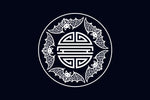
I remember the first time I saw the Wufu symbol. It was carved into an old door in San Francisco's Chinatown. Five bats circled around a central character. My friend told me they meant good luck. But I wanted to know more. Why bats? Why five?
The story goes deeper than I first thought.
The Chinese call them Wufu. Each blessing represents something people truly want in life. Long life comes first. Then wealth. Good health matters third. Love of virtue sits at number four. A peaceful death ends the list.
These five things sound simple. But they carry weight in Chinese culture. They've done so for thousands of years.
People don't just talk about Wufu. They put these blessings into art. They weave them into fabric. They paint them on walls. The symbols show up everywhere once you start looking.
Here's where things get strange. The Chinese word for bat sounds like the word for blessing. Both say "fu" when spoken aloud. This happy accident made bats sacred in art.
You'll see five bats grouped together in old paintings. They appear on vases. They decorate robes worn by emperors. Each bat stands for one blessing.
I find this beautiful. Western culture fears bats. Chinese artists turned them into symbols of hope.
The red bat holds special power. Red means joy in China. A red bat brings double good fortune. Artists loved painting them.
The peach tree shows up in Wufu art too. Peaches mean long life. Old stories tell of magic peaches that grew in heaven. Eating one gave you years beyond counting.
Artists paint peach branches heavy with fruit. Sometimes they add the five bats flying nearby. The message is clear. Long life plus all five blessings.
The Queen Mother of the West owned these special trees. Her peaches took three thousand years to ripen. Then three thousand more to grow again. People who ate them became gods.
This mythology shaped how artists worked. They knew viewers understood the symbols. A single peach spoke volumes.
Dragons appear in Wufu imagery often. But not scary dragons. Chinese dragons bring rain and good harvests. They protect people. A dragon holding the five blessings means power used wisely.
The phoenix joins in too. This bird rises from flames reborn. Together with dragons, phoenixes show balance. Male and female energy working as one.
I've seen tapestries with both creatures circling Wufu characters. The detail takes my breath away. Every scale on the dragon matters. Every feather on the phoenix has meaning.
These aren't just pretty pictures. They're prayers made visible.
The Chinese character for fu looks complex at first. It combines symbols for showing respect and for abundance. The character itself became art.
Calligraphers spend years learning to write it perfectly. During New Year, people hang fu characters upside down. Why? The words for "upside down" and "arrive" sound the same. An upside-down fu means blessings arrive.
Some artists made the character from five smaller fu symbols. Five blessings inside the blessing character. The layers of meaning multiply.
Red paper fu characters cover doors each spring. Old ones come down. New ones go up. The tradition continues.
Ancient Chinese coins had square holes in their centers. Five coins arranged in a pattern spell out Wufu. Collectors prize these arrangements.
The endless knot appears too. This twisted loop has no beginning or end. It represents how blessings connect and flow forever. Artists weave endless knots around the five blessing symbols.
I once watched a craftsman tie an endless knot from red cord. His fingers moved fast. The pattern grew. He didn't measure anything. He just knew.
That knowledge came from generations of practice.
Today's artists still use Wufu symbols. But they mix old and new. You might see five bats made from neon lights. Or the blessing character painted in graffiti style.
Wedding decorations feature Wufu designs. Birthday gifts do too. The symbols adapt but keep their core meaning.
Digital artists create Wufu animations. The five bats fly across screens. Peaches bloom in virtual gardens. Ancient symbols live in modern spaces.
This makes me happy. Good traditions shouldn't die. They should grow and change.
Red dominates Wufu art. It drives away bad spirits. It brings heat and life. Gold comes second. Gold means wealth and autumn harvests.
Green shows up in nature scenes. Trees and bamboo in green ink. Blue represents heaven and water. These colors aren't random picks. Each one adds meaning.
Artists layer colors carefully. A red bat on gold paper shines differently than on white. The background changes how we see the symbol.
The Wufu symbols teach us something important. People everywhere want the same things. Health. Long life. Enough money. Peace at the end. Good character while we're here.
Chinese artists found ways to make these wishes solid. You can touch a carved bat. You can hang a painted peach. The invisible becomes visible.
I think about this when life feels hard. Somewhere, an artist centuries ago painted five bats. They hoped for the same blessings I hope for. We're connected across time through these symbols.
Art does this. It builds bridges between hearts.
Look for these symbols in Chinese restaurants. Check the walls in older buildings. Visit museums with Asian art collections. The five blessings hide in plain sight.
Once you know what to look for, they appear everywhere. Five circular designs. Bat shapes in corners. Peach motifs on plates.
Each one carries those ancient wishes forward. Health, wealth, long life, virtue, peace. Five simple hopes that never get old.
The Wufu symbols remind me why art matters. It holds what we value. It passes wisdom down through ages. And it does so with beauty that stops us in our tracks.
That carved door I saw years ago? I visit it sometimes. The bats still circle their eternal dance. Still promising blessings to anyone who looks.


$29.99


$44.99 - $49.99


$24.99 - $29.99


$44.99 - $49.99